
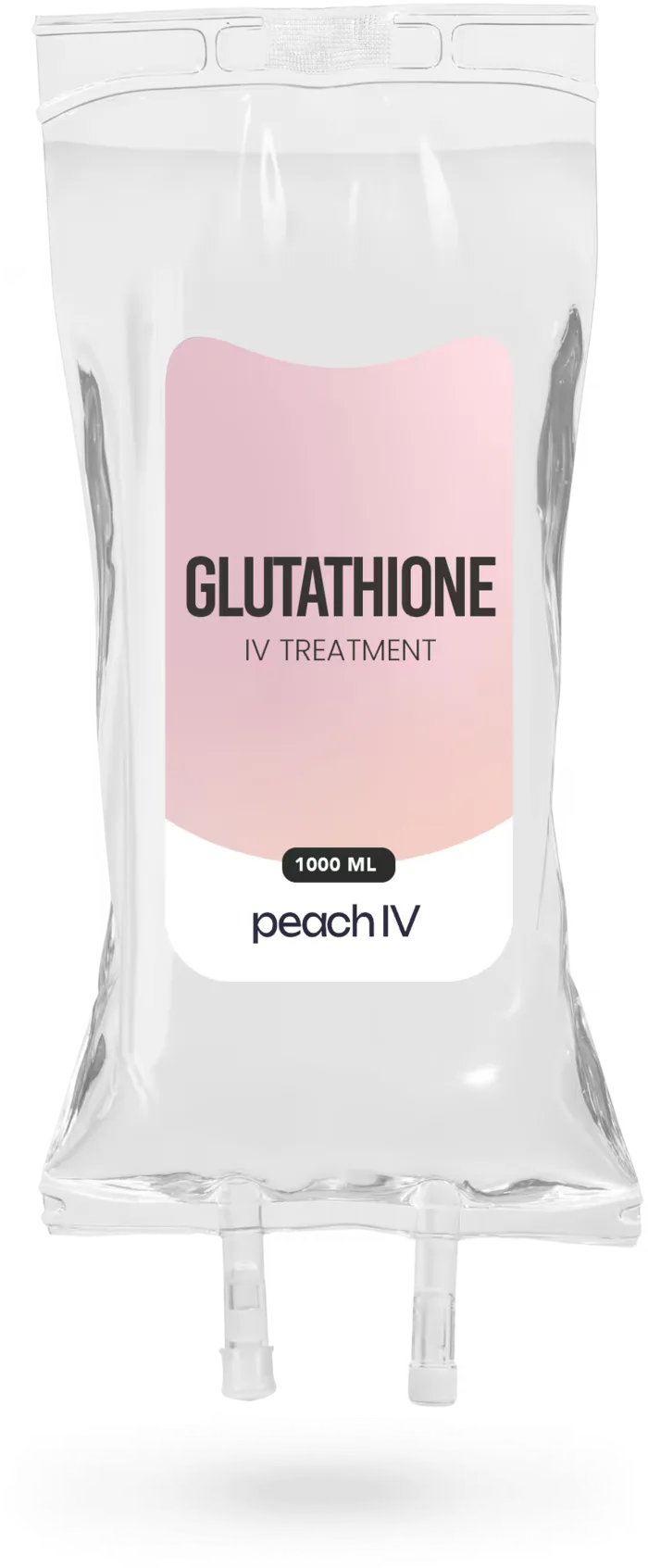
What is glutathione, and why does it matter?
Glutathione has been called the body’s “master antioxidant.” It’s made of three amino acids (glutamate, cysteine and glycine), it’s found in virtually every cell, and it helps protect the body from free-radical damage. Glutathione is also essential for the immune system to work properly and for repairing tissues.
Our glutathione levels naturally decline with:
- Age
- Stress
- Exposure to toxins
That matters because low glutathione upsets the balance between oxidation and antioxidants in the body. Oxidative stress rises, and cells are more exposed to damage from toxins, which is linked to fatigue and weaker immunity. That’s why many people are exploring glutathione IV therapy to support this critical molecule.
Why glutathione IV therapy?
Glutathione IV therapy delivers glutathione straight into the bloodstream through a slow drip in a vein. A medical professional, ideally a registered nurse, should administer it: they place the IV line and run a sterile glutathione solution into your circulation. At Peach IV, that’s always a registered nurse, at your home, hotel or office.
Skipping the digestive system means the whole dose reaches your bloodstream. Taken by mouth, as pills or liquids, glutathione is far less efficient, because much of it is broken down in the gut before it reaches your cells. With an IV, the dose and the drip rate can be watched for safety.
How does IV glutathione compare to other forms?
Many people wonder whether to take glutathione as a pill, get a shot, or have a drip. The differences come down to absorption and convenience.
- Oral supplements. Capsules and liquids are absorbed poorly: enzymes in the gut and liver break down much of the glutathione before it enters the bloodstream. High oral doses may only modestly raise blood levels. Newer forms like liposomal or under-the-tongue glutathione absorb somewhat better, but still can’t match direct delivery.
- Intramuscular injections. A quick shot into a muscle also skips the gut, so absorption is better than oral. But shots are small (a few milliliters), which limits the dose.
- IV infusion. A drip gives the highest levels in the blood, and allows larger doses at a controlled rate. The trade-off: it needs a trained professional and a sterile setup, and it costs more than pills.
Glutathione: 1000mg for $295 or 2000mg for $365, brought to you by a registered nurse. No travel fee. No service charge.
What people use glutathione for
Glutathione does many jobs in the body, so people book a glutathione drip for several reasons.
Antioxidant and liver support
One of glutathione’s best-known roles is in the liver, the body’s main detox organ. The liver uses glutathione to bind and clear toxins, from chemicals and heavy metals to everyday metabolic waste. That’s why people book a glutathione drip for antioxidant and liver detox support, for example after a period of heavy drinking or illness. Throughout the body, glutathione keeps neutralizing free radicals and protecting cells from oxidative stress.
Immune support
Healthy glutathione levels matter for immune function: your white blood cells, such as lymphocytes and natural killer cells, depend on it to work properly. Some studies link low glutathione to weaker immune responses. That’s why people book glutathione for immune support, and to recover after being sick, especially in busy or cold-and-flu seasons.
Energy and recovery
When oxidative stress is high and glutathione is low, your mitochondria work less efficiently, which can show up as fatigue and brain fog. Glutathione helps keep the environment inside cells in balance, so they can make energy efficiently. Some people say they leave a glutathione drip feeling refreshed; experiences vary.
Skin
Glutathione is studied in dermatology as an antioxidant, and because it’s involved in how skin cells make melanin, the pigment behind skin tone. That’s why it gets so much attention for skin. We don’t endorse extreme use for skin whitening, and no one can promise a change in skin tone; read more in Glutathione IV for Skin.
Is glutathione IV therapy safe?
Safety is a fair question with any IV. Generally, glutathione IV therapy is considered safe for most healthy adults when given by qualified medical professionals. Glutathione is something your body makes naturally, and medical use of glutathione and its building block N-acetylcysteine (NAC) has a long history. At appropriate doses, glutathione drips are usually well tolerated.
Like any therapy, it has possible side effects and precautions. Most are mild:
- At the IV site: temporary discomfort, bruising or irritation where the line goes in.
- Stomach upset: some people feel cramping or bloating during or after the drip. Nausea can happen, especially if the drip runs too fast.
- Dizziness or headache: a few people feel lightheaded during the IV, often eased by slowing the drip and drinking water.
- Allergic reactions: rare, but rash or allergic-type reactions have been reported. If you’re allergic to glutathione or anything in the IV, you shouldn’t have it.
- Breathing: in very rare cases, inhaled glutathione has tightened the airways. That isn’t typical of IV use, but if you have asthma, tell your nurse beforehand.
- Mineral balance: long-term or very high-dose use has been linked to lower zinc levels, more a concern with daily supplements than an occasional IV.
Serious problems are uncommon, and they’ve been tied to misuse. The Philippines’ FDA warned about unregulated, very high-dose IV glutathione used for skin whitening, citing possible kidney and nerve problems outside medical settings. Always have glutathione from a licensed, reputable provider at an appropriate dose.
A trained nurse uses sterile technique, checks the quality of the solution, sets the drip rate to keep side effects down, and screens you for anything that rules it out. If you have concerns, talk to a healthcare professional about whether glutathione is right for you.
How to plan your glutathione sessions
Many people plan glutathione as a series rather than a one-off. Here is how a plan is often structured; your provider will tailor it to you.
1. A starting phase
Many people start with more frequent sessions. A general guideline is 1 to 2 sessions a week for the first month, then a session every 2 to 4 weeks. Someone focused on general wellness might start with once a week; your provider will adjust the schedule to how you respond.
2. Maintenance
After the first series, many people taper to a session every 2 to 4 weeks; others go monthly, or book one before a big trip or a busy stretch. Lifestyle matters here: constant stress, pollution or intense training may mean more frequent top-ups, while better diet and habits may mean fewer.
3. Pairing it with add-ons
Glutathione is often given with other nutrients. Vitamin C helps recycle glutathione and works alongside it as an antioxidant. With any Peach IV drip, your nurse can add vitamin C, vitamin B12, B-complex, biotin or zinc. Talk through your goals when you book.
4. Check in with yourself
Every so often, notice how you’re doing: your energy, your skin, how often you get sick. If you feel good, you may keep your rhythm or space sessions further apart; if not, talk to your provider about adjusting.
5. Support it every day
The best glutathione plan doesn’t rely on IVs alone. Your body makes glutathione, so eat foods rich in its building blocks, like cysteine in high-protein foods and sulfur-rich vegetables such as broccoli, kale and garlic. Some people take supplements like NAC or milk thistle between sessions; always check with your healthcare provider before adding supplements.
Habits that drain or support glutathione
Habits that deplete glutathione
- Smoking. Tobacco smoke is a major source of oxidative stress and uses up glutathione in the lungs and throughout the body. Smokers consistently show lower glutathione levels than non-smokers.
- Heavy drinking. Your liver uses glutathione to process alcohol, so heavy or frequent drinking can sharply lower your stores. Drinking in moderation helps preserve them.
- A poor diet. Processed foods, refined sugar and unhealthy fats often lack the vitamins and minerals glutathione needs (like selenium and vitamin C), and can raise inflammation, which uses glutathione up.
- Chronic stress. Long-running stress produces oxidative byproducts that consume glutathione. Meditation, yoga, deep breathing or simply real time off help.
- Too little sleep. Sleep is when the body replenishes its antioxidant systems, and short sleep raises oxidative stress. Aim for 7 to 9 hours of good sleep a night.
- Toxins and pollution. Air pollution, heavy metals, pesticides and some chemicals use up glutathione as the body clears them. Indoor air filters and avoiding known sources help.
Habits that support glutathione
- Eat glutathione-rich and building-block foods. Avocado and spinach contain glutathione; eggs, chicken, legumes and yogurt provide cysteine; broccoli, cauliflower, Brussels sprouts, garlic and onions encourage glutathione production; citrus, berries and kiwis bring vitamin C; Brazil nuts, fish and sunflower seeds bring selenium.
- Exercise, in moderation. Consistent moderate exercise helps the body build up its own antioxidant systems, glutathione included. Overtraining without rest can do the opposite.
- Stay hydrated. Water keeps the cell processes that rely on glutathione running smoothly, and helps clear waste.
- Supplement smartly. NAC supplies a building block for glutathione, and alpha-lipoic acid and milk thistle are also used. Ask your doctor about the right dose for you.
The bottom line
Glutathione is a foundational antioxidant, central to how your body clears toxins, renews itself and protects its cells. Levels fall with age, stress, toxins and lifestyle, which is why more people are turning to glutathione IV therapy, in beauty circles and across wellness and functional medicine.
An IV is the most direct way to get glutathione into your bloodstream. But its value also depends on how you support your body before and after: smart habits, good nutrition and a knowledgeable provider. Glutathione can be one part of a broader approach to energy and long-term cellular health.