

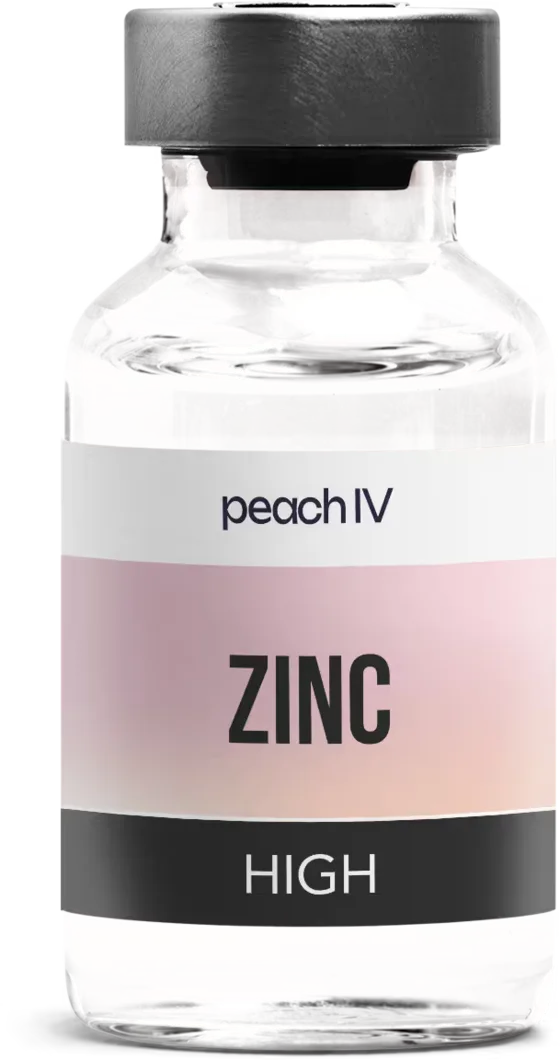
Zinc IV therapy delivers zinc straight into the bloodstream, skipping absorption in the gut. Used under clinical supervision, it’s a targeted, short-term option during demanding periods like illness, heavy training or travel. Here’s how it works, what it can and can’t do, and the safety steps that matter.
What is zinc IV therapy?
Zinc IV (intravenous) therapy is an infusion that puts zinc directly into your bloodstream through a sterile IV line, instead of through the digestive system. That skips the things that usually reduce zinc uptake from food and supplements, like phytates in some foods, digestive conditions or inflammation in the gut.
At Peach IV, zinc comes as an add-on to any drip at a dosage of 10mg ($35) or 20mg ($50), which your nurse adds through your IV line (no separate injection), and it’s already part of our Immunity Support drip. A registered nurse gives every drip, at your home, hotel or office.
What zinc does in the body
Once infused, zinc binds to proteins like albumin and travels to cells, tissues and immune organs such as the thymus and bone marrow. In the body, zinc:
- helps immune cells like T-cells and natural killer (NK) cells work normally;
- is a cofactor for hundreds of enzymes, including antioxidant enzymes;
- takes part in collagen formation and tissue repair;
- plays a role in protein synthesis, thyroid function and hormone activity.
Zinc in the blood rises during the infusion itself. What that means for how you feel varies from person to person, and anything you notice is more likely if you were low in zinc to begin with. Zinc is support for normal body function, not a quick fix.
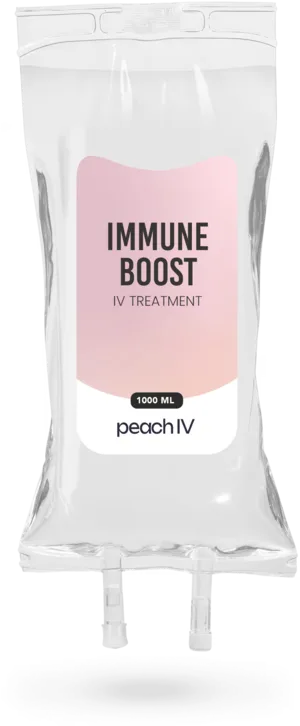
Immunity Support, from $295: zinc and vitamin C in 1000 mL of saline, with more zinc in the Deluxe ($355). No travel fee. No service charge.
Who looks into zinc IV therapy?
- People with low zinc or poor absorption, for example after bariatric surgery or with conditions like Crohn’s disease or celiac disease, when their doctor agrees.
- People under high physical demand: athletes, frequent flyers, or anyone in a busy, run-down stretch who wants immune support.
- People who don’t tolerate oral zinc, because supplements upset their stomach.
If you have a diagnosed deficiency, a slow-healing wound or a skin condition, your own doctor should guide treatment.
How often? Dosing and timing
Zinc IV therapy is periodic, not daily. Most people use it as needed: for example, once every 2 to 4 weeks during a heavy training block, or after illness or travel. Some have a single session and then reassess.
Start conservatively. If you’re having zinc repeatedly, ask your doctor about checking your zinc and copper levels, and space or pause sessions based on the results and how you feel.
Risks and side effects
Given by medical professionals with sterile technique and an appropriate dose, zinc IV therapy is considered safe, but like any infusion it can cause side effects. The most common are a metallic taste in the mouth, light dizziness or warmth during the drip, and minor redness or bruising where the IV goes in. They’re usually short-lived.
Less common problems are usually linked to high or frequent doses:
- Copper deficiency, because excess zinc can block copper absorption and affect red blood cells and immune balance.
- Headaches, stomach discomfort or fatigue, if the body gets more zinc than it needs.
- Electrolyte imbalance or kidney strain, especially with low hydration or reduced kidney function.
- Allergic reactions, rare, in people sensitive to the infusion’s ingredients.
If you have kidney or liver problems, are pregnant, or have a mineral imbalance, get your doctor’s approval first. Zinc IV therapy should never be overused or self-administered.
Zinc at Peach IV
- Registered nurses give every drip, under physician-built protocols.
- Pharmaceutical-grade nutrients and a sterile setup at every visit.
- Your choice of drip: add zinc to Hydration, Glutathione or any other drip, alongside add-ons like vitamin C.
- Clear pricing: No travel fee. No service charge.
Zinc IV therapy isn’t a shortcut. It’s targeted support when absorption problems or high demand make it harder to keep levels up, used sparingly, alongside good nutrition, sleep and medical care.

With 10+ years of experience in the medical field, he designs and supervises protocols to keep care safe, consistent, and clinically grounded.