

IV Therapy 101: What It Is, How It Works, and Who Can Benefit

December 5, 2025
•
10 min read

IV therapy has surged in popularity as a wellness trend, promising quick hydration and nutrient delivery. But why does this matter? In the past, IV therapy was limited to the hospital, but now that it is widely accepted, understanding IV therapy is important because it helps you know when a drip might truly benefit your health (and when it’s unnecessary). From athletes recovering after intense workouts to folks seeking a next-day hangover cure, many are curious about IV vitamin therapy and whether it lives up to the hype. This 101 guide breaks down what IV therapy is, how it works, and who actually stands to benefit.

Table of Contents (scroll)
Table of Contents

Introduction: What You’ll Learn About IV Therapy

This guide can help explain why IV therapy has become a cornerstone of modern wellness and recovery, and answer key questions like how IV drips work, what benefits they confer, and how long effects last, and who can (or shouldn't) use them. We'll also cover safety, common myths, and the future of IV therapy.

What Is Intravenous IV Therapy?

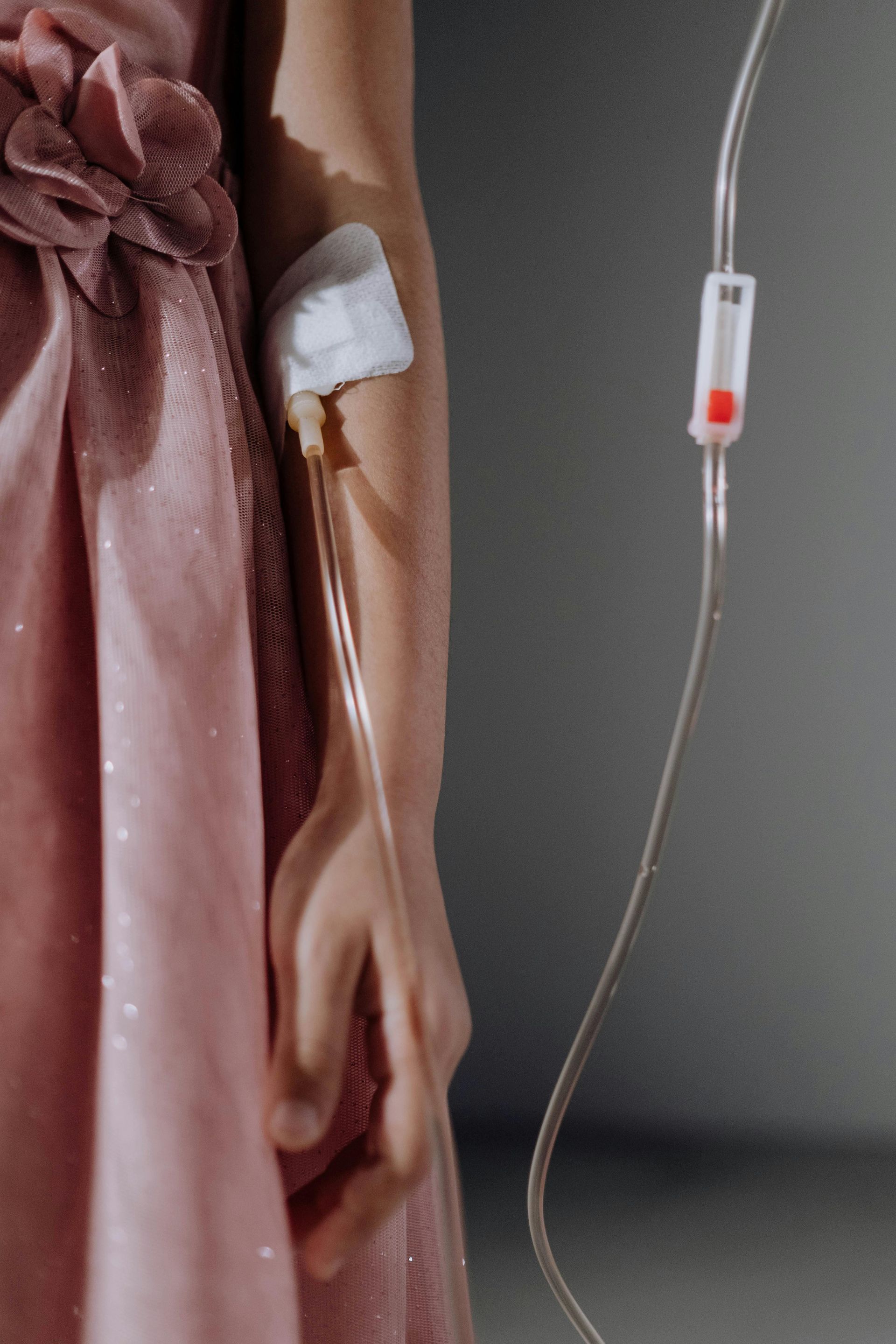
Intraveous (IV) therapy is the process of delivering fluids, electrolytes, medications or other nutrients directy into the vein through a drip infusion. An IV drip bypasses your digestive system and sends vital substances straight into your bloodstream for near-immediate use by your body. This allows for faster and more efficient absorption compared to oral supplements.

How is IV therapy different from taking fluids or vitamins by mouth? When you drink water or take a vitamin pill, your body must absorb those nutrients through your gut, which heavily regulates what passes through to the bloodstream, and only utilizes a fraction of the supplements. With IV therapy, 100% of the infused nutrients are immediately available in your circulation, leading to quicker and more noticeable effects.

Traditionally, IV therapy was reserved for medical needs like treating severe dehydration, administering antibiotics, correcting electrolyte imbalances, etc. Now, it’s also a popular wellness trend. People (including celebrities) seek out IV drips on-demand for things like hangover relief, jet lag recovery, athletic performance, or just an “energy boost” and healthy glow.

In wellness settings, IV infusions often contain blends of vitamins (like vitamin C or B-complex), antioxidants (e.g. glutathione), and fluids designed to promote general health. Many users report feeling revitalized due to the IV’s ability to quickly hydrate and nourish the body, making it a cornerstone of modern integrative wellness practices.

How Does an IV Drip Work?

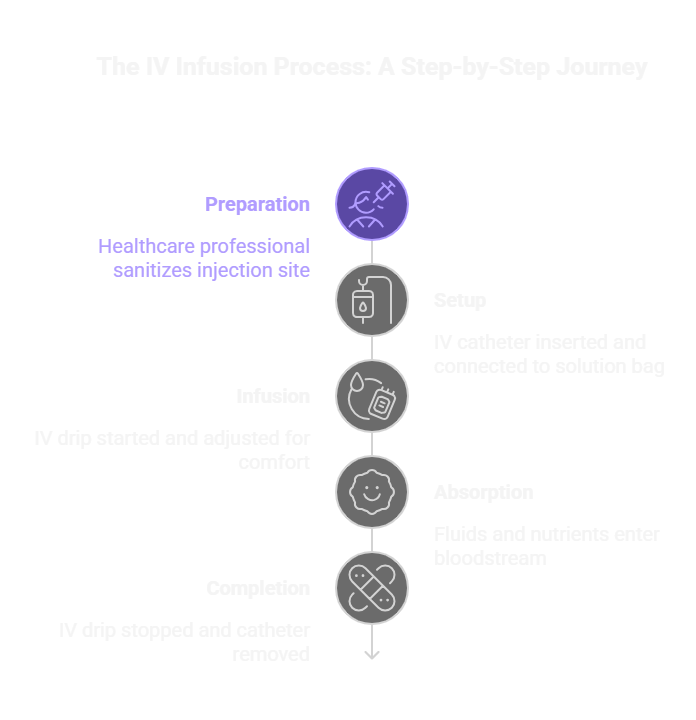
Here’s how it works step by step in the wellness setting (the process is slightly different in the hospital!)

  • Preparation: A healthcare professional will sanitize the injection site before inserting a small IV catheter needle into a vein in your arm.
  • Setup: The catheter connects to a long tube that leads to a bag of the IV solution. This IV bag (often hung on a pole or hook above you) contains the fluids and nutrients to be infused. Common bag volumes are 500 mL or 1000 mL (1 liter) of fluid. The bag may contain a saline solution, vitamins, medications, or a customized cocktail depending on your therapy.
  • Infusion: The IV drip is started and the liquid travels down the tubing via gravity and into your vein. Your provider can adjust the drip speed until a comfortable rate is set to avoid any sudden volume overload.
  • Absorption: Once the IV is running, fluids and nutrients drip directly into your bloodstream. Because the delivery is intravenous, the effects begin quickly. IV fluids start circulating through your body immediately, and you may notice things like increased energy or alertness during or soon after the infusion. The practitioner will monitor you throughout the infusion to ensure you’re comfortable and that the IV is flowing properly.
  • Completion: An IV session usually lasts anywhere from 20 minutes up to an hour or more, depending on the volume and type of infusion. Most wellness drips take about 30–50 minutes to empty a standard 1L IV bag, but drips like NAD+ may take several hours. Once the IV bag is empty the provider will turn off the drip and remove the catheter. They’ll apply a bit of pressure and a bandage to the insertion site.
How an IV Drip Infusion Works

There may be a tiny prick mark or mild bruising where the IV was but otherwise, you can generally resume normal activities immediately after. In a wellness IV session, you’ll typically be relaxing in a chair while the infusion goes in – many people read, listen to music, or even take a nap during the process.

Learn more on our page: What to expect at your first IV Therapy Session and How IV Drips Work

Types of IV Therapy

Not all IV drips are the same. IV therapy can be customized for different goals, and clinics often offer a menu of IV “cocktails.”

See our Article on all the different types of IV therapies available.
Related: See our service pages for specific drips like NAD+ IV Therapy, Glutathione IV, Hangover IV and more.

What Are the Benefits of IV Drip?

People turn to IV therapy for a wide range of potential benefits. Lets see how IV drips may help those who receive them:

  • Rapid Hydration: IV fluids can replenish hydration much faster than drinking water. This is especially beneficial if you’re severely dehydrated (from intense exercise, illness, or a hangover). By restoring your fluid and electrolyte balance quickly, IV therapy can alleviate dehydration symptoms like headache, fatigue, dry mouth, or dizziness. For someone who’s been vomiting or sweating excessively, an IV can be a real fast track to feeling better.
  • Improving Circulation and Detox Pathways: When you receive a large infusion of fluids, your blood volume expands, improving your circulation. Better blood flow means more oxygen and nutrients reach your tissues, and it also means waste products (CO2, urea, lactate) are more efficiently carried away to be excreted. Nutrients like Vitamin C and B support liver function and metabolic pathways to process blood toxins. By ensuring cofactors are supplied to every organ of the body, IV therapy enhances the body’s natural detoxification.
  • Faster Recovery (Illness or Hangover): IV drips are often marketed for recovery, and personally where I think they shine. Rapidly rehydrating and restoring electrolytes can give a huge bounce back after severe dehydration. For hangovers, an IV can address dehydration and often includes medication for nausea or headache, helping you feel functional again more quickly. After illnesses that cause vomiting/diarrhea, IV therapy can prevent hospitalization by treating moderate dehydration and weakness.
  • Reducing Oxidative Stress: Antioxidant components of IV drips (e.g. vitamin C, glutathione) help neutralize free radicals in the body. Free radicals are unstable molecules that can damage cells, contribute to inflammation, and accelerate aging. There’s research interest in high-dose IV antioxidants for conditions like sepsis or to protect organs during chemotherapy, because they may reduce cellular damage. For everyday wellness, the idea is that a periodic antioxidant IV could help the body cope with stress, pollution, and toxins by keeping oxidative damage in check.
  • Quicker Effect of Medications (if included): In some IV therapies, medications like anti-nausea drugs or pain relievers are added (common in hangover drips or migraine drips). These IV medications act almost immediately because they reach therapeutic levels in the blood fast and can relieve nausea or pain within minutes.
  • Improved Nutrient Levels: If you have low levels of certain vitamins or minerals, IV therapy can provide a rapid high dose replacement to help correct the deficiency. For example, IV iron infusions for iron-deficiency anemia or IV vitamin B12 for pernicious anemia are well-established medical treatments. In wellness drips, even if you’re not officially deficient, the infusion aims to “top off” your nutrients. Many clients report an increase in energy and alertness after an IV with B-complex vitamins or amino acids, likely because these nutrients play roles in energy metabolism. IV vitamin C is believed to support the immune system, and some people get high-dose vitamin C IVs during cold/flu season (though evidence for immunity boost is mostly anecdotal).
  • Enhanced Immune Support: Some drips are formulated with immune-bolstering ingredients like vitamin C, zinc, and glutathione. Vitamin C (especially in high doses via IV) has been studied for its potential to shorten colds or support the immune system’s oxidative stress response. Zinc is known to be important in immunity as well. People who get immunity IV drips often report fewer sick days or milder cold symptoms.
  • Increased Energy and Focus: IV therapy is popular among busy professionals and frequent travelers who feel drained and jet-lagged. B12 and B-complex are crucial for converting food to energy, and magnesium plays a role in muscle and nerve function. By flooding the body with these, an IV might give a noticeable energy lift and mental clarity in the days following the infusion. NAD+ infusions, as mentioned, target cellular energy pathways – some clients describe a sustained energy and mood boost after a series of NAD+ treatments.
  • Beauty and Anti-Aging: Certain IV drips are branded for “beauty”, with the idea being that they improve hydration and can provide certain anti-aging supplements like Glutathione or Vitamin C. Some people notice a “glow” after a glutathione IV push and additionally, good hydration plumps the skin. There is also the idea that antioxidants from IVs can combat free radicals that contribute to aging. While a single IV likely won’t lead to permanent life altering results, incorporating monthly IV treatments as part of a regular skincare or anti-aging routine will lead to synergistic effect and improve overall complexion.
  • Bypassing Digestive Issues: For individuals who cannot tolerate oral supplements or have digestive malabsorption (for example, after gastric bypass surgery or with conditions like Crohn’s disease), IV therapy can be a lifeline to get nutrition. In fact, this is a clear medical indication. Some people cannot absorb vitamins through their gut and must rely on direct IV infusion instead. Even in less severe cases, someone with a very sensitive stomach might opt for IV vitamins to avoid the gastrointestinal side effects that oral supplements sometimes cause.

Keep expectations realistic - the biggest scientifically proven benefit of elective IV therapy is hydration and the additional benefits may vary greatly from person to person (energy, immunity, etc.). Always consider why you want an IV. If you’re simply trying to fix poor sleep or diet with a drip, the effects may be short-lived unless you also address those lifestyle factors.

Learn more on our page: What are the Benefits of IV Therapy and IV Therapy vs Oral Supplements

Who Can Get IV Drips?

The most suitable candidates for IV therapy are generally healthy adults, but people of almost every age can and have received IV drips. If you lead an active lifestyle, travel frequently, or have an active nightlife that leaves you drained the next day, you might be a good candidate for an occasional IV drip to recharge.

Here are examples of people who tend to get IV drips:

  • Individuals with Hangovers or Illness
  • Busy Professionals and Students
  • Frequent Travelers and Jet Lag Sufferers
  • Wellness-Oriented Adults
  • Older Adults with Nutrient Gaps

IV drips are suitable for most healthy adults seeking wellness benefits or those seeking rapid recovery. They should be avoided by those with serious health issues involving the heart, kidneys, or certain other conditions, unless prescribed by their doctor.

Learn more on our page: Who Can Do IV Drips

When IV therapy is not appropriate (contraindications)
There are definitely situations where elective IV drips are not recommended or must be approached with caution:

  • Heart Conditions
  • Kidney Disease
  • Liver Disease
  • Allergies to IV Ingredients

While IV therapy can benefit many, there are certain conditions that may preclude it as an elective wellness routine. Anyone with known serious medical conditions should receive a thorough consultation before receiving an IV. Many quality IV clinics have an MD who reviews your medical history or an RN who will check your vital signs and ask health questions beforehand and can catch important contraindications to ensure you are actually a good candidate.

Learn more on our pages: Who Should Not Do IV Drips, and Why Peach IV only employs licensed RNs

How Long Does an IV Drip Take?

Most IV drip sessions last around 30 to 60 minutes, though the exact duration can vary based on the type of infusion and the individual’s needs. When you schedule an IV therapy appointment, you should plan for at least an hour of your time for the whole process, and sometimes more in case there are unforeseen delays. Some specialized drips, like NAD+ may take much longer, anywhere from 2 hours and up to 8 hours (for the largest dose of NAD+).

Learn more on our page: How long do IV Drips Last?

How Fast Do IV Drips Work?

IV therapy is becoming so popular because of its fast-acting nature and instant results. Since the infusion goes straight to your bloodstream, many people feel effects almost immediately (or within minutes). That isn’t to say all of its effects are felt or seen right away, some of the effects can only happen after the vitamin or nutrient is utilized the body in biochemical pathways.

According to reports by IV providers, about 75% of people start feeling effects within 15 to 30 minutes of the infusion starting. This aligns with the idea that hydration and some nutrients act fast. It’s even common for clients to feel a cool sensation in their arm and a mineral taste in their mouth during a vitamin IV – evidence that the infusion is coursing through the body.

Many people leave the clinic already feeling better than when they walked in. Certain benefits (energy, mood, immunity) might become more noticeable in the hours or day following as your body utilizes the infusion’s ingredients.

Learn more on our page: How long do IV Drips Last?

How Long Does IV Therapy Last in the Body?

After you’ve gotten an IV drip, you might wonder – how long will I feel the benefits? The answer, as always, is that it depends. The benefits of just the fluid itself will usually remain for 24-48 hours assuming no new losses (like intense exercise or insensible sweat loss). Many people report feeling well-hydrated and energetic as if they had a great sleep.

The benefits of elevated vitamin levels usually last a few days. The IV will spike your blood levels of vitamins for a period of time, allowing your body to use what it needs and excrete the rest. Patients typically report feeling the vitamin boost for the next 3-7 days.

The benefits of minerals and electrolytes like magnesium, zinc, or trace elements might stick around longer because they are stored or incorporated into enzymes. Magnesium from the IV can improve muscle relaxation and function for up to 2 weeks. NAD+ infusions can last for up to 2 weeks as well, as many clients report feeling the sustained energy boost and improved sleep for long past the time they received their IV.

All in all, the positive effects of IV therapy generally last a few days to 2 weeks, so it is common that people will repeat an IV therapy every 2-4 weeks to maintain results.

Learn more on our page: How long do IV Drips Last?

IV Drip Side Effects and Safety

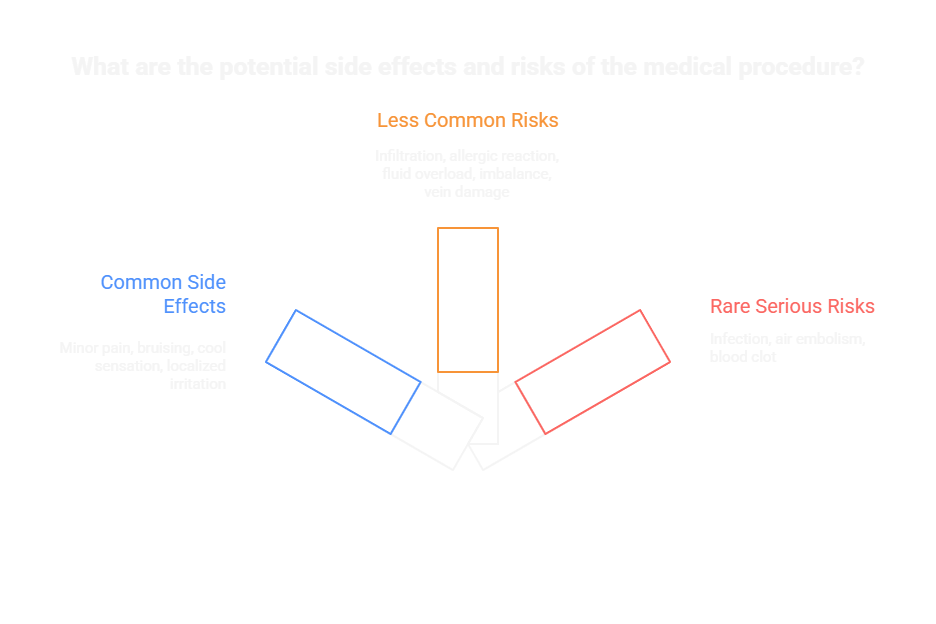
IV therapy is generally safe when performed by trained professionals, but like any medical procedure, it comes with some potential side effects and risks.

Common Side Effects:‍

  • Minor Pain or Bruising
  • Cool Sensation
  • Localized Irritation

Less Common but Notable Risks:‍

  • Infiltration or IV Miss
  • Allergic Reaction
  • Fluid Overload
  • Imbalance or Organ Stress
  • Vein Damage or Thrombophlebitis

Rare but very serious side effects:‍

  • Infection
  • Air Embolism
  • Blood Clot (Deep Vein Thrombosis)

Overall, studies and clinical experience show IV vitamin therapy is very well-tolerated by generally healthy adults. Minor issues like vein irritation, bleeding at the insertion site, or bruising may occur. Serious complications like infections and blood clots are very uncommon, especially in single-session treatments. The key safety point is to ensure the IV is administered by qualified personnel following proper protocols. When done in a medical setting or reputable clinic, IV therapy’s risk profile is low.

Learn more on our page: IV Therapy Safety and Side Effects

Best Practices Before and After Your Drip

Before your IV drip, make sure you’re well-hydrated, have eaten a light meal, and avoid alcohol or excessive caffeine to reduce the risk of medication interactions. Wear comfortable clothing that allows easy access to your arm and communicate any recent illnesses or medications to your provider. After your drip, keep the bandage on for at least 30 minutes, stay hydrated, and avoid strenuous activity for a few hours to let your body adjust. If you notice minor bruising or soreness at the insertion site, apply a cool compress. These effects typically resolve within a day or two.

Learn more on our page: Best practices before and after your IV Drip(under construction)

Finding the Right IV Therapy

‍IV therapy is now available in many settings, from luxury lounges to mobile concierge services, and the differences can be significant.

Options include:‍

  • Medical Clinics and Hospitals
  • Medi-Spa
  • IV Bar
  • Mobile IV Services

Look for credentials, cleanliness, protocols, and oversight no matter which option you choose. When done in a proper setting with proper staff, IV therapy is very safe. Trust your instincts and the evidence of quality: a reputable clinic or service will be transparent about how they operate safely.

Learn more on our page: Finding the RIght IV Therapy (under construction)

Cost of IV Therapy

The cost of IV therapy can range widely depending on what type of drip you get, where you get it, and geographic location. In general, IV wellness drips are not covered by insurance (since they’re elective), so you’ll be paying out of pocket.

Here is a full article on the cost of IV therapy and what to know: IV Therapy Cost (under construction)

Conclusion

IV therapy has evolved from a hospital-only treatment to a leading wellness trend that supports hydration, recovery, and nutrient replenishment in a fast, efficient way. When administered by qualified professionals in a safe setting, it can provide quick relief from fatigue, dehydration, or stress and help optimize wellness for those with busy lifestyles. IV therapy works best as a complement to healthy habits like good nutrition, sleep, and hydration. Choosing a reputable provider with proper medical oversight ensures you get the benefits safely and confidently.

FAQs

What is IV therapy used to treat?

IV therapy delivers fluids, vitamins, and medications directly into your bloodstream for fast absorption. It’s used for hydration, fatigue, hangover relief, immunity support, migraines, food poisoning, jet lag, and recovery from illness. Athletes, busy professionals, and wellness seekers often use it for energy, clarity, and performance.

What are the costs of IV therapy?

Prices vary based on ingredients and dosage. At Peach IV, treatments start at $195 for basic hydration and range up to $695 for high-dose NAD+ or deluxe formulations. We’re fully mobile, so you get concierge care brought to your door with no waiting rooms.

What are the disadvantages of IV therapy?

IV therapy isn’t without risks. Potential downsides include bruising, vein irritation, or allergic reactions. In rare cases, infection or fluid overload can occur if not properly managed. That’s why Peach IV only uses experienced RNs under MD oversight. Safety isn’t optional.

What are the side effects of vitamin IV therapy?

Most people feel great after a vitamin drip, but mild side effects can include a metallic taste, flushing, dizziness, or nausea. These are typically short-lived. Our nurses monitor you closely during every session to ensure your comfort and safety.

How long do the effects of IV therapy last?

It depends on the formula and your baseline health. Hydration and energy benefits may last a few days. High-dose vitamin or NAD+ drips can support mental clarity, metabolism, or recovery for 1–2 weeks. For ongoing benefits, regular sessions are best.

Written By:
Dr Austin S.
Dr. Austin Shuxiao is a board-certified Internal Medicine physician and founder of Peach IV. With decades of clinical experience, he blends evidence-based medicine with a deep understanding of holistic care to deliver elevated, results-driven wellness solutions.
Share this post

Ready to join millions of others who have discovered the benefit of IV therapy?

Interested in experiencing the benefits of IV therapy for yourself? Peach IV has you covered. With Peach IV’s team of certified mobile nurses, you can enjoy IV hydration and vitamin drips safely and conveniently. Whether you’re bouncing back from illness or just need a refresh, Peach IV provides professional IV therapy services right to your door – ensuring you get the care you need, when you need it. Feel your best with the help of Peach IV’s expert IV therapy. (Always consult with a healthcare provider to make sure IV therapy is right for you.)

Sign up for our newsletter

Get weekly updates on all things IV therapy

By clicking Sign Up you're confirming that you agree with our Terms and Conditions.
Thank you! Your submission has been received!
Oops! Something went wrong while submitting the form.